 Kintana
Understanding Dietary Elements for Male Health and Vitality
Explore the science of nutrition and its role in maintaining well-being
The Foundation of Men's Nutrition
Nutrition is fundamental to maintaining overall health and vitality. For adult men, understanding the role of various dietary elements—macronutrients, micronutrients, and other food components—provides a foundation for informed dietary choices. This educational resource explores how different nutrients function within the body and how food choices can support general well-being, energy levels, and physiological processes.
The human body requires a balanced intake of carbohydrates, proteins, fats, vitamins, minerals, and water to function optimally. Each nutrient plays a specific role in maintaining bodily functions, supporting immune response, and enabling physical activity. By understanding these elements, you can make more informed decisions about your dietary habits.
Educational content only. No promises of outcomes.
Macronutrients Explained
Essential building blocks for body function and energy

Proteins
Proteins are essential for building and repairing tissues, producing enzymes and hormones, and supporting immune function. Common sources include lean meats, fish, eggs, legumes, nuts, and dairy products.

Carbohydrates
Carbohydrates provide energy for daily activities and brain function. Whole grains, fruits, vegetables, and legumes are excellent sources of complex carbohydrates that provide sustained energy and dietary fiber.
Healthy Fats
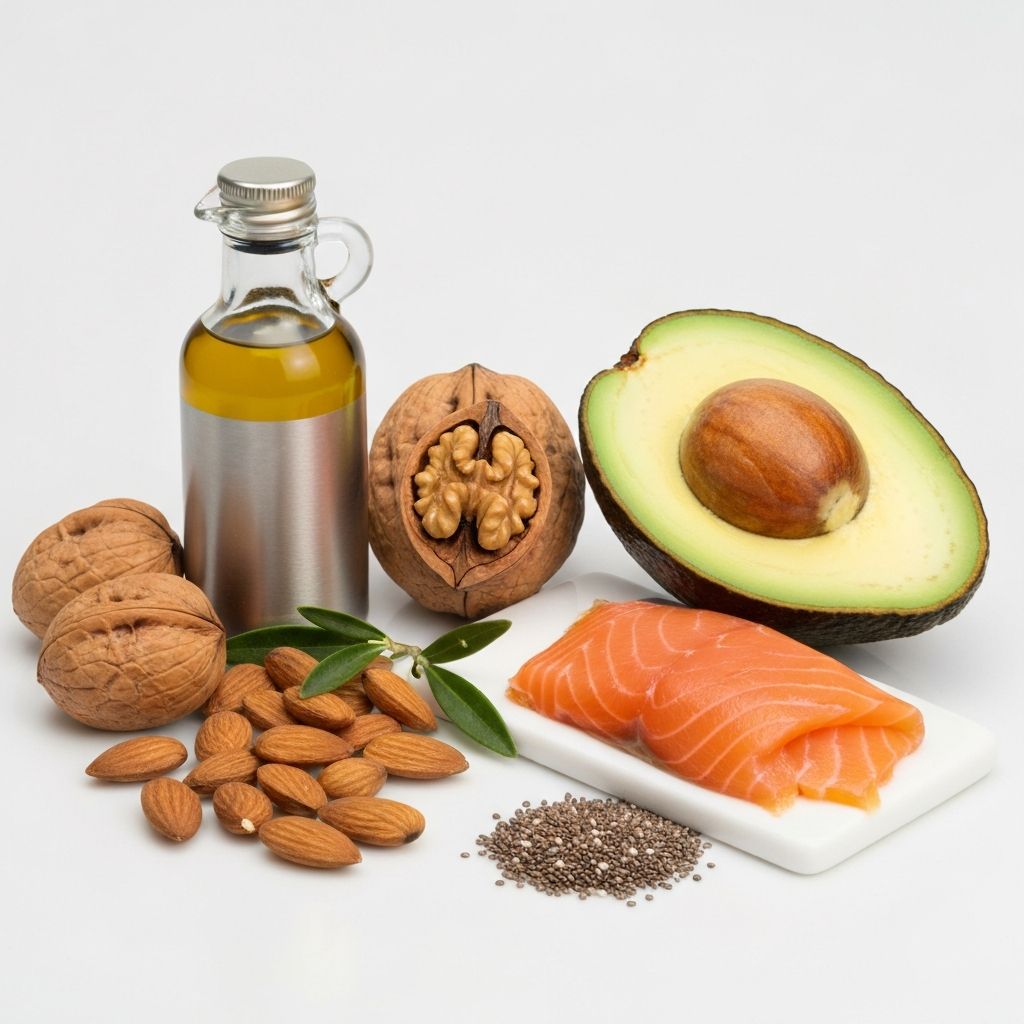
Fats are important for hormone production, nutrient absorption, and brain health. Sources of healthy fats include olive oil, avocados, fatty fish, nuts, and seeds, particularly those rich in omega-3 fatty acids.
Key Vitamins for Male Health
Understanding essential vitamins and their roles
Vitamin D
Vitamin D plays a critical role in calcium absorption, bone health, and immune function. The body can synthesize vitamin D through sun exposure, and dietary sources include fatty fish, egg yolks, and fortified dairy products. Research suggests adequate vitamin D levels support various physiological processes.
Vitamin C
Vitamin C is essential for collagen synthesis, immune support, and antioxidant protection. Citrus fruits, berries, peppers, and leafy greens are excellent sources of this water-soluble vitamin.

B-Complex Vitamins
B vitamins support energy metabolism, nervous system function, and red blood cell formation. Sources include whole grains, meat, eggs, legumes, and leafy greens. These water-soluble vitamins are essential for converting food into usable energy.
Understanding the roles of various vitamins helps contextualize the importance of a diverse, balanced diet that includes multiple food groups.
Recommended Approach: Rather than relying on supplements alone, consuming a variety of whole foods ensures adequate vitamin intake and provides additional beneficial compounds like fiber and phytonutrients.
Essential Minerals for Vitality
Minerals that support physiological function
Minerals are inorganic elements that support various bodily functions:
- Zinc: Supports immune function, protein synthesis, and wound healing. Found in oysters, beef, pumpkin seeds, and legumes.
- Magnesium: Essential for muscle function, energy production, and nervous system health. Sources include nuts, seeds, whole grains, and leafy greens.
- Selenium: Acts as an antioxidant and supports thyroid function. Brazil nuts, seafood, and whole grains are rich sources.
- Iron: Critical for oxygen transport in the blood. Both red meat and plant-based sources like legumes and fortified grains provide iron.
- Potassium: Supports heart health and muscle contraction. Bananas, potatoes, spinach, and beans are excellent sources.
Key Insight: A balanced diet with varied whole foods typically provides adequate mineral intake. Individual mineral needs may vary based on age, activity level, and health status.
Antioxidants and Their Role
Understanding natural protective compounds in foods
What Are Antioxidants?
Antioxidants are compounds found naturally in foods that help neutralize free radicals—unstable molecules that can accumulate through normal metabolism and environmental stress. By understanding antioxidants, we recognize how diverse plant-based foods contribute to overall dietary quality.
Antioxidants are produced naturally by the body and can also be obtained from foods. Common dietary antioxidants include vitamins C and E, selenium, and various phytonutrients.
Antioxidant-Rich Foods
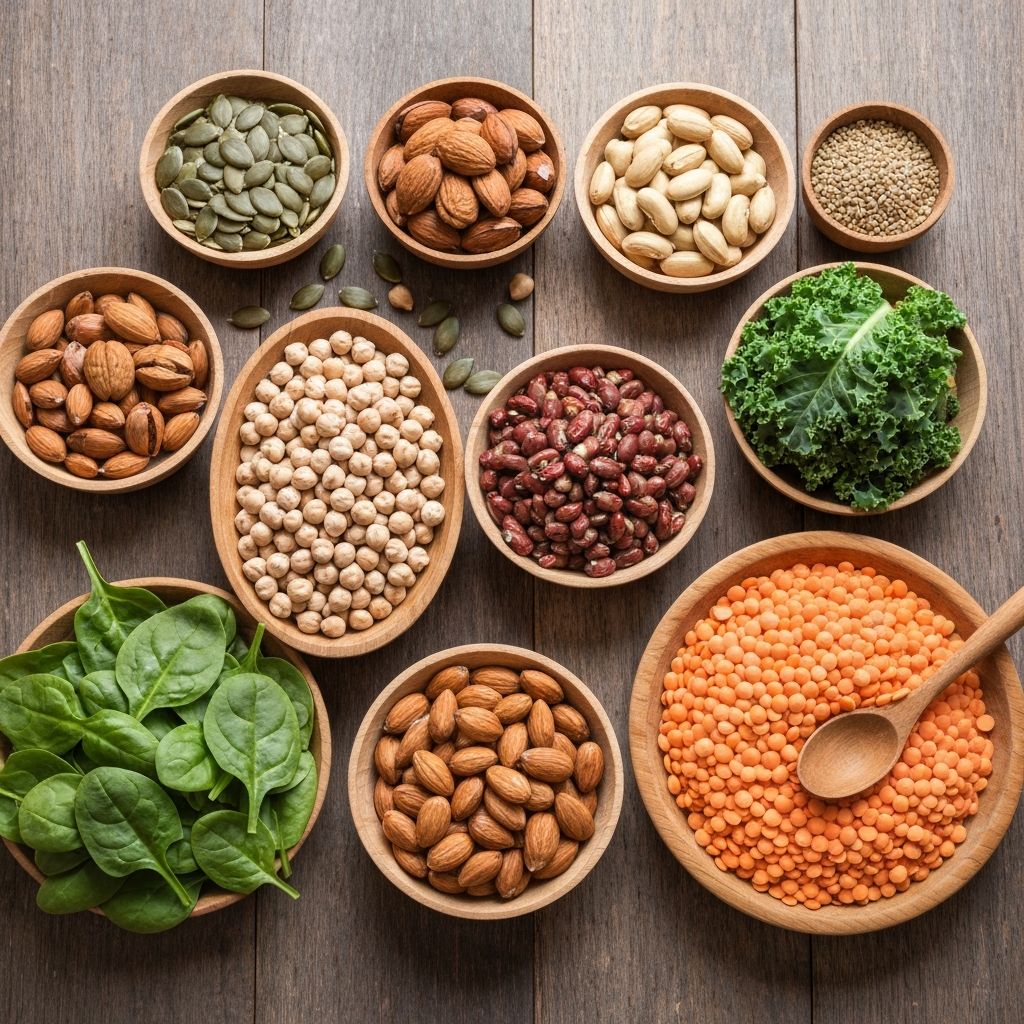
Berries, dark leafy greens, nuts, seeds, and colorful vegetables are excellent sources of dietary antioxidants. The vibrant colors in fruits and vegetables often indicate the presence of beneficial phytonutrients.

Hydration and Its Impact

Water is essential for virtually every bodily function. It regulates body temperature, transports nutrients, removes waste, lubricates joints, and supports cognitive function. While individual fluid needs vary based on activity level, climate, and health status, a common guideline is to consume adequate fluids throughout the day.
Beyond plain water, hydration can come from other beverages like herbal tea and water-rich foods such as fruits and vegetables. Factors like physical activity and climate conditions influence daily hydration needs.
General Principle: Adequate hydration is a fundamental aspect of maintaining physiological function and supporting overall well-being.
Balanced Eating Principles
Creating a Balanced Diet
- Include Variety: Consume foods from all major food groups to ensure comprehensive nutrient intake—fruits, vegetables, whole grains, lean proteins, and healthy fats.
- Portion Control: Appropriate portion sizes help maintain energy balance and support healthy body composition.
- Meal Timing: Regular meal spacing supports consistent energy levels and metabolic function throughout the day.
- Whole Foods Emphasis: Prioritize minimally processed foods over heavily processed alternatives to maximize nutrient density.
- Hydration Integration: Include adequate fluid intake as part of daily nutritional practice.
- Consistency: Sustainable dietary habits are more beneficial than extreme or temporary changes.
Remember: Individual nutritional needs vary significantly based on age, activity level, metabolism, and health status. What works well for one person may not be appropriate for another.
Lifestyle Factors and Diet
How nutrition interacts with other aspects of well-being

| Lifestyle Factor | Nutritional Interaction | General Principle |
|---|---|---|
| Physical Activity | Active individuals may have increased energy and protein needs; nutrition supports recovery and performance. | Balanced nutrition complements physical activity for optimal results. |
| Sleep Quality | Adequate sleep supports metabolic function; certain nutrients may influence sleep quality. | Good sleep hygiene and nutrition work together for overall health. |
| Stress Management | Stress can influence eating patterns; certain nutrients support nervous system function. | A balanced diet is one component of comprehensive stress management. |
| Social Eating | Social aspects of meals contribute to enjoyment and long-term dietary adherence. | Sustainable eating patterns include both nutritional quality and social enjoyment. |
Understanding Dietary Sources
Practical examples of nutrient-rich foods

Common Food Groups and Their Nutrients
Vegetables: Rich in vitamins, minerals, fiber, and phytonutrients. Include leafy greens, cruciferous vegetables, and colorful varieties.
Fruits: Excellent sources of vitamin C, potassium, fiber, and antioxidants. Whole fruits provide more fiber than juices.
Whole Grains: Provide complex carbohydrates, fiber, B vitamins, and minerals. Examples include brown rice, oats, whole wheat, and quinoa.
Lean Proteins: Support muscle maintenance and enzyme production. Sources include chicken, fish, beef, eggs, legumes, and nuts.
Healthy Fats: Important for hormone production and nutrient absorption. Found in olive oil, avocados, nuts, seeds, and fatty fish.
Dairy or Alternatives: Traditional sources of calcium and protein, with various plant-based alternatives available.
Dispelling Nutritional Myths
Clarifying common misconceptions about diet and health
No. Carbohydrates are essential macronutrients that provide energy. The quality of carbohydrates matters—whole grains and vegetables provide fiber and nutrients, while refined carbohydrates are less nutrient-dense. A balanced approach to carbohydrate intake, emphasizing whole food sources, is part of sound nutritional practice.
No. Healthy fats from sources like olive oil, nuts, seeds, and fatty fish are beneficial and necessary for various physiological functions including hormone production and nutrient absorption. The focus should be on choosing quality fat sources rather than eliminating fats entirely.
Individual needs vary. While some people benefit from eating breakfast, others function well with intermittent fasting patterns. The key is consistent, balanced nutrition throughout the day. Experiment to find what works best for your individual situation and consider consulting a healthcare professional or registered dietitian.
Important Limitations and Context
The information provided on Kintana is for general educational purposes only. It is not intended to be a substitute for professional medical advice, diagnosis, or treatment.
Nutritional needs and approaches vary greatly among individuals based on age, health status, lifestyle, and other factors. Always consult with a qualified healthcare professional or registered dietitian before making any significant changes to your diet or lifestyle, especially if you have existing health conditions.
The content here should not be used to self-diagnose or self-treat any health issue.
Continue Exploring
Learn more about nutrition and wellness through our other resources.